Case study
Web Application
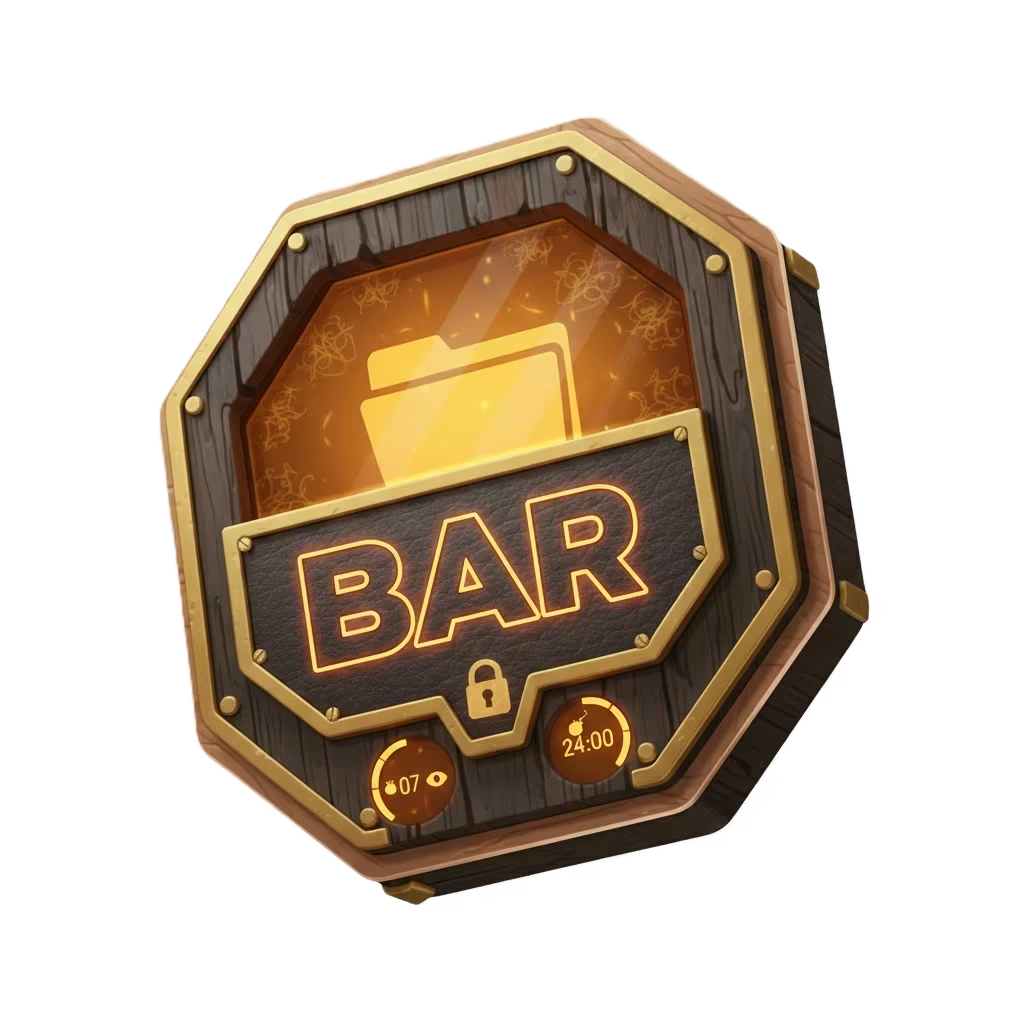
BAR — Web
A privacy-first web platform for encrypted self-destructing file sharing and end-to-end encrypted ephemeral chat. Files self-destruct on a timer or after a set number of views. What you share stays yours — until it's gone.
The problem
Traditional file-sharing and messaging platforms keep your data long after you're done with it. Passwords, contracts, and sensitive conversations sit on servers with no expiry. Users have no real control over who accesses their content or for how long — creating serious privacy and compliance risks.
The solution
Built a zero-knowledge web platform where files are encrypted client-side before upload. Each share is given a configurable TTL (time-to-live) or view count limit, after which the content is permanently destroyed. Burn Chat adds real-time E2E encrypted messaging via WebSockets using ECDH key exchange, so the server acts as a relay — never as a reader.
Outcome
Demonstrates practical application of modern cryptography in a user-facing product. Implements AES-256 encryption, ECDH key exchange, OTP verification, secure session handling, webhook support, and automated content destruction — while keeping the UI approachable for non-technical users.
What I learned
Zero-knowledge architecture forces you to think differently about state. The server can't help you debug what it can't read. Learned to design thorough client-side logging and error boundaries early. ECDH key exchange for browser-based E2E encryption was the most technically demanding piece — the Web Crypto API is powerful but unforgiving. Would add per-file key rotation in the next iteration.
Stack
- React
- Python
- WebSockets
- AES-256
- ECDH
- Zero-Knowledge
- OTP
- Webhooks